

Trade Payables: Definition, Purpose, Tips, and Examples

For these reasons, having an up-to-date and well-run accounts payable team or system is important to ensure that your organization does not miss out on opportunities or report inaccurate financials. As regulations around financial reporting, taxes, and supplier management evolve, accounts payable teams must stay updated to ensure compliance. Failure to comply can result in hefty fines and damage to a company’s reputation.
- Extending payment to the final due date improves the Current Ratio by keeping cash reserves high for longer.
- Yet another best practice is to make electronic payments, thereby streamlining the payment process; printing and mailing checks is less efficient.
- A standard accounts payable process focuses on processing invoices, handling payments, and maintaining records.
- AP is also a direct line of contact between a business and its vendor representatives.
- Simply put, accounts payable represent the money a business owes to its suppliers or vendors, while accounts receivable refer to the money that customers owe to the business.
Derecognition & Write Off of Accounts Payables
The steps include receiving, reviewing, and validating the invoice, then matching the invoice to the purchase order (PO), capturing and coding the invoice, invoice approval, and finally, paying the invoice. Accounts payable is considered to be a source of cash, meaning that if accounts payable is managed properly, organizations can take advantage of supplier agreements and increase cash flow and cash on hand. Business managers and accountants may reference their accounts payable and manipulate their cash flow accordingly to achieve specific outcomes. A growing startup purchases new laptops and accessories for its employees with payment terms of 45 days. Once the equipment is delivered, the invoice is recorded in Accounts Payable so the finance team knows exactly when payment is due. Some valuable items that cannot be measured and expressed in dollars include the company’s outstanding reputation, its customer base, the value of successful consumer brands, and its management team.
Trade Payables
- The execution of an AP payment is a critical step in managing the end-to-end AP process.
- He keeps a track of all the payments and expenses and maintains records.
- Purchases refer to the acquisition of goods or services by a business, typically for the purpose of resale or for use in production.
- When the business pays the invoice, it makes a debit entry to reduce the trade payable, reflecting the payment and clearing the outstanding amount.
- Managing payment schedules ensures bills are paid on time, helping businesses avoid late fees and maintain steady cash flow.
- Based on the company’s latest financial statements, a total of $200 million was incurred in cost of goods sold (COGS) in Year 0.
Monitor important KPIs like processing time, error rates, and cost per invoice to optimize operations. Manual processing can lead to errors, lost invoices, and delays, affecting payment schedules and supplier trust. Strong relationships can lead to better income summary negotiation power, favorable terms, and priority during supply shortages. Conversely, delayed payments can strain these relationships, potentially leading to supply disruptions. For instance, 2/10 net 30 is the trade credit that your suppliers offer for the sale of goods or services, meaning you’ll receive a discount of 2% if you pay the amount due within 10 days.
Vendor Relationships
The role carries a lot of accountability and requires a high level of focus. DPO is a working capital ratio that shows the average number of days a company takes to pay its accounts payable. By making cross-border payments to international suppliers in their preferred local currencies and payment methods, your business can improve its supplier relationships.

When a company highly increases the trade payables balance, this decreases the current and quick ratio of the financial statements. Managing trade payables effectively helps finance teams shift from reacting to issues toward making proactive, confident decisions about cash flow and vendor management. Efficiently managing trade payables helps avoid these risks and keeps your operations running smoothly. Accounts payable automation can reduce delays, improve accuracy, and give real-time visibility into what’s owed.
Automate invoice capture
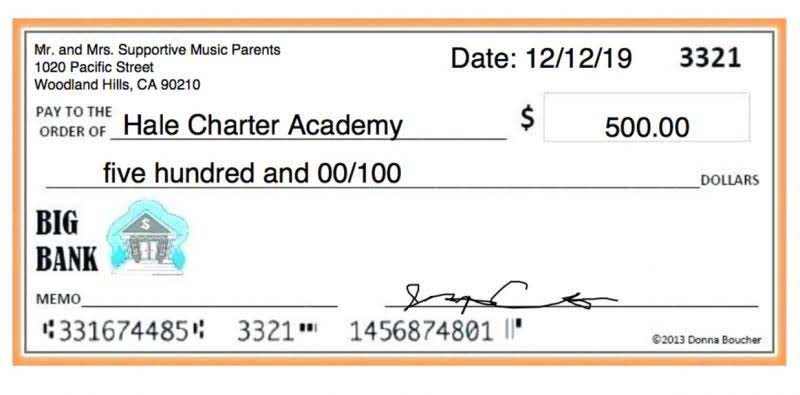
You’ll need to cross-check the goods received from your suppliers with those mentioned in the invoice and check whether you have received all the services that were mentioned in the vendor invoice. Once you have reviewed all the received invoices, you can start filling in the invoice details. Generally, QuickBooks provides a list of standard accounts, like accounts payable, accounts receivable, purchase orders, payroll expenses, etc. However, if you do not see one trade payables that you need, you can add your own manually in your chart of accounts.
The role of internal controls and audits in the account payable process
This falling trend in the accounts payable turnover ratio may indicate that your company is not able to pay its short-term debt, and is facing a financial crunch. Accounts payable refers to the vendor invoices against which you receive goods or services before payment is made, meaning you’ve purchased goods on credit. In this instance, as they are supplying goods on credit, your suppliers are also referred to as trade creditors. You must process your invoices on a regular Liability Accounts basis, regadless of the number of vendors you have, so you can follow the above procedure either weekly or fortnightly. This can help to reduce your workload at the months-end, and following a weekly or a fortnightly accounts payable cycle can help you avoid late payments.
- When a business is short on cash, management frequently mandates that the payment of accounts payable be delayed, since this represents a no-interest loan from suppliers.
- Paying for these software licenses and subscriptions falls under AP, and failing to do so could mean losing access to critical business tools.
- This invoice needs to be broken down into individual parts before it can be turned into a journal entry.
- One critical metric in any business’s financial management process is its cash flow, which comes from business operations like financing and investing.
- Building trustworthy and strong relationships with suppliers are essential, because it’ll help you to receive goods on better credit terms from your vendors.
- However, if the business makes a purchase with financing, like a loan from a bank, that’s considered a loan and not accounts payable.
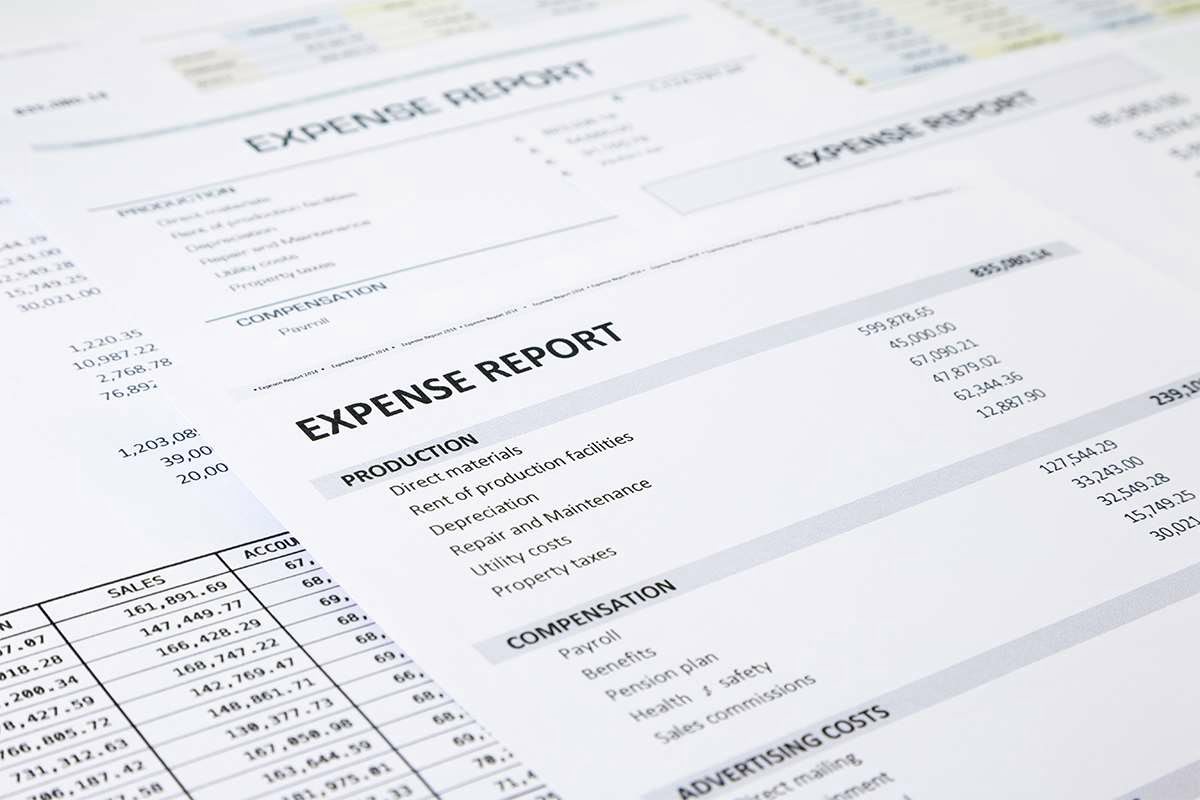
An accounts payable (AP) system refers to the software or process a company uses to manage its obligations to suppliers and vendors. In modern businesses, this functionality is typically embedded within an accounting platform or ERP system such as QuickBooks, Sage Intacct, Oracle NetSuite. Purchases and trade creditors are fundamental components of business operations, affecting both profitability and financial stability. By effectively managing credit purchases and supplier relationships, businesses can optimize cash flow, control costs, and support sustainable growth. Accurate accounting for purchases and trade creditors ensures transparency in financial reporting and helps maintain a strong financial position.

- Depending on a company’s internal controls, an AP department either handles pre-approved purchase orders or verifies purchases after a purchase.
- Good vendor relationship management requires a mutually beneficial relationship between you and each supplier or vendor.
- Check out our page on AP and reconciliation automation for more information.
- Sufficient operating procedures are extremely important to reduce improper payments, ensure regulatory compliance, and reduce the risk of human error.
Identifying unrecorded trade accounts payable enables you to manage all your current liabilities. When a business purchases goods or services from a supplier on credit, payment isn’t made straight away, but is due within 30 days, 60 days, or in some cases even longer. This could be due to inefficient invoice processing or challenges within the supply chain. Supplier invoices are recorded as debits for inventory and fixed assets on your company’s balance sheet.
Leave a Reply